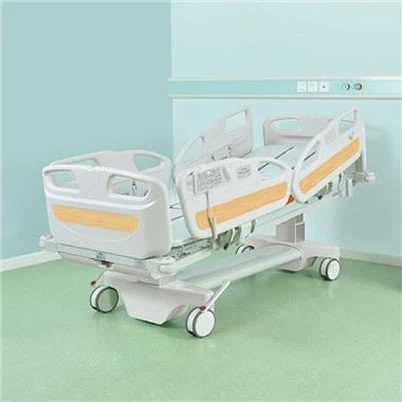
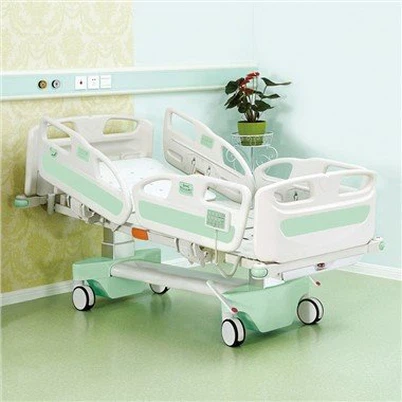
Guide to Choosing Heavy-Duty Hospital bed
Leave a message
When purchasing heavy-duty bariatric hospital beds for hospitals, nursing homes and medical facilities, four core factors including dynamic load capacity, bed width, structural stability and practical functions should be taken into consideration.
1. Dynamic Load-Bearing Capacity
Dynamic load capacity guarantees bed structural safety for overweight patients during daily nursing and clinical operations, differing from static load capacity.
- Most morbidly obese patients surpass the maximum weight limit of regular hospital beds. Body movements like rolling over, sitting up and bed transfer produce constant impact force, making dynamic load rating the top priority instead of static load.
- Beds equipped with thickened steel frames and reinforced welded joints can withstand long-term repeated stress, effectively avoiding bed collapse, excessive shaking and structural fracture caused by metal fatigue.
- Extra load margin needs to cover patient body weight plus accessory medical devices such as patient monitors and IV poles. We suggest selecting beds with a minimum dynamic load of ≥350kg to satisfy clinical use for most bariatric patients. HOPE-FULL bariatric bed dynamic load of 500kg.
2. Extra-Wide Bed Surface
Oversized bed surface solves narrow-space drawbacks, boosting patient comfort and simplifying daily nursing work.
- Conventional hospital beds come with an 850mm-wide bedboard, too narrow for obese users. Extra-wide bariatric beds with bedboard width 1080mm are highly recommended.
- Wider bedboard leaves ample space for patients to turn freely, stops limbs hanging off the bed and prevents pressure wounds from rubbing against side rails. Meanwhile, it creates enough bedside space for nurses to complete body turning, back tapping and sputum removal.
- Optional extended-length bedboard fits tall overweight patients and optimizes lying experience.
3. Stable Bed Construction
Solid bed structure keeps the unit balanced during position adjustment, which is an independent indicator apart from overall load capacity.
- Great structural stability focuses on anti-shake and anti-tilt performance when patients shift body or adjust bed angles, rather than just high weight-bearing data.
- Opt for frames built with solid steel tubes and multi-point supporting bases; thin hollow tubular frames are not recommended. Segmented ergonomic bedboard keeps balanced gravity while lifting backrest and leg sections.
- Widened wheelbase plus anti-slip casters upgrade lateral stability and prevent bed tilting when patients sit upright or roll around.
4. Practical Functional Compatibility
Custom practical functions satisfy complicated bariatric nursing needs and raise clinical work efficiency.
- X-ray translucent design: Enables bedside X-ray scanning for chest, spine and upper abdomen, eliminating risky patient moving and unnecessary discomfort.
- Multi-position adjustment: Apart from basic back and leg lifting, one-touch Trendelenburg and cardiac positions help improve respiration, blood circulation and body pressure relief.
- Auto Regression function: Relieves compression on waist and belly, serving as an effective way to prevent bedridden pressure injuries.
- CPR emergency release: Driven by heavy-duty motors, the bed instantly flattens within several seconds for emergency resuscitation and saves precious rescue time.
HOPEFULL DESIGN FOR BARIATRIC: